Payment Methods in Saudi E-Commerce: What Your Checkout Must Accept
A checkout that only takes international cards is quietly rejecting a large share of Saudi buyers. What to support, and why it changes conversion more than any redesign.
eCommerce3 min read
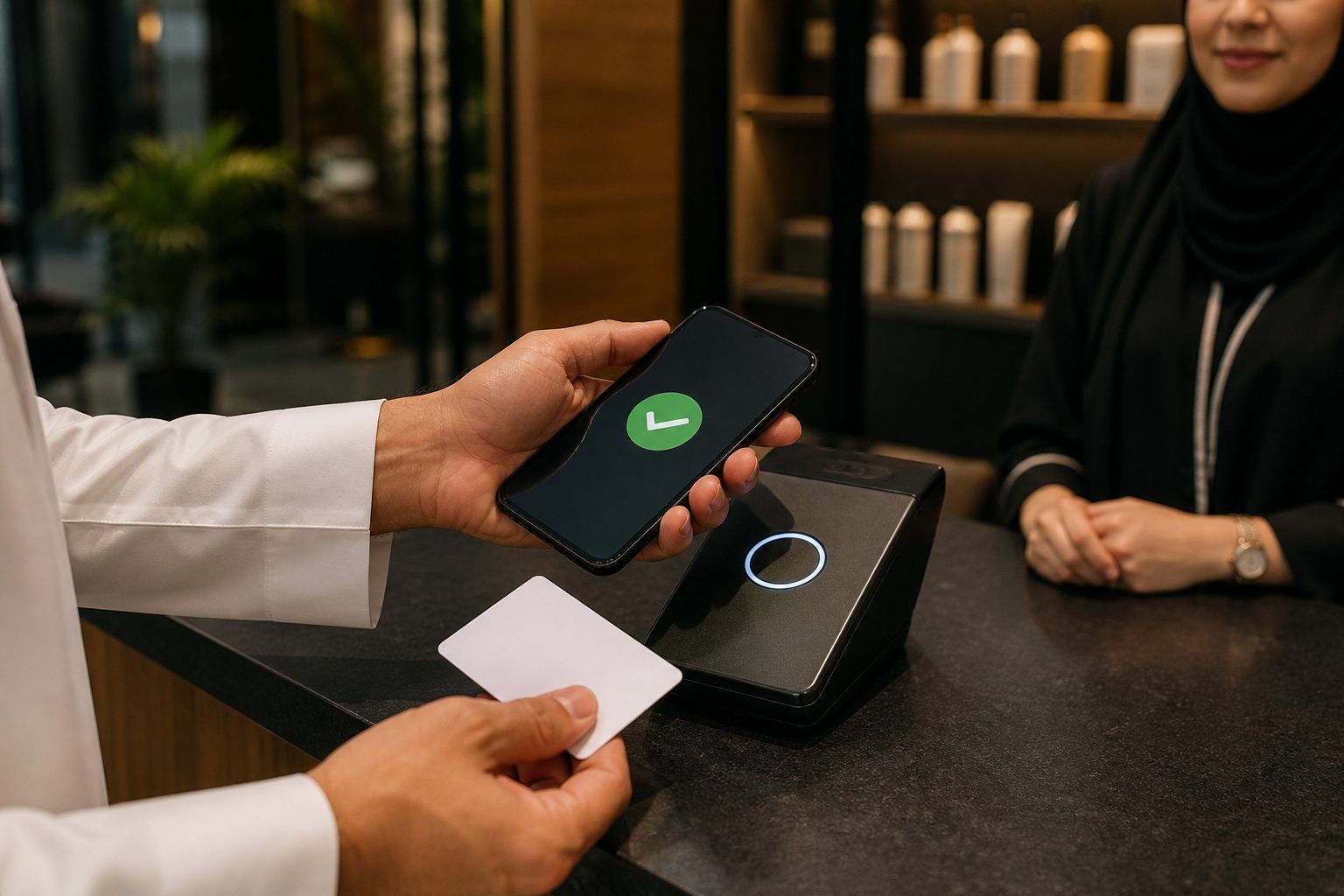
You can spend a quarter redesigning your product pages and gain less than you would by adding one payment method. In the Saudi market, checkout composition is often the single highest-leverage change available.
Start with the domestic network
The most common failure is a store that accepts international card schemes and nothing else. A large share of Saudi shoppers carry a mada card — the domestic debit network — and many transactions route through it rather than an international scheme.
The effect on conversion is not marginal. Reported cart abandonment on Saudi traffic sits in the 75–85% range without local methods, and drops into the 60–70% range once mada and local wallets like stc Pay are available. Whatever the precise figures for your store, the direction is consistent and the gap is large.
The reason is simple: a shopper who reaches checkout and cannot pay the way they normally pay does not go and find another card. They leave.
The practical set to support
For most Saudi stores, a reasonable target is:
- mada — non-negotiable.
- Visa / Mastercard — for international cards and some domestic credit.
- Apple Pay — disproportionately valuable given how much traffic is mobile, because it removes card entry entirely.
- A local wallet such as stc Pay, depending on your audience.
- Buy-now-pay-later, if your basket sizes justify it. It lifts conversion on higher-value carts but carries a merchant fee — treat it as a commercial decision, not a default.
Mobile is where this is decided
More than 40% of e-commerce orders in the Kingdom start on a mobile device, and mobile is exactly where manual card entry hurts most. Every field you remove from a mobile checkout is worth more than a field removed on desktop.
This is why wallet methods punch above their weight: they replace a fifteen-field form with an authentication prompt.
Trust is part of payment
Around 27% of shoppers in Saudi Arabia report abandoning a checkout over security concerns. That is a design problem as much as a technical one.
What helps, concretely: a real business address and Arabic contact details, clear refund and return terms before the payment step, recognisable payment marks rather than generic card icons, and no unexpected costs appearing late. Surprise shipping fees at the final step read as a trick even when they are not.
Evaluating a gateway
Beyond the method list, ask:
- Settlement time and currency. When does money actually reach your account, and in what currency?
- Full fee structure. Per-transaction, refund fees, chargeback handling, and any monthly minimum.
- Failure visibility. Can you see why a payment failed? Silent declines are a slow revenue leak.
- Refund flow. How much work is a partial refund for your operations team?
- Invoice hand-off. A completed order has to produce a compliant invoice without manual re-entry.
- Arabic checkout. Including the hosted pages, if the gateway hosts them — a checkout that switches to English at the payment step breaks the experience at the worst moment.
The order to fix things
If you are optimising a Saudi store and have limited time: add mada, then add a mobile wallet, then remove fields from mobile checkout, then work on trust signals, and only then redesign anything.
That ordering reflects where the money actually leaks.
Want your checkout reviewed against Saudi buyer expectations? Start a project.